









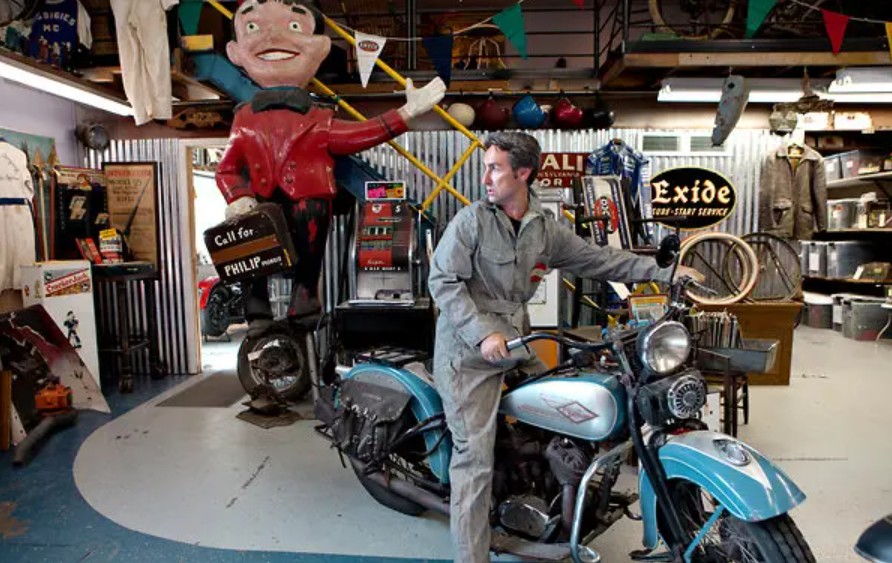
Mike Wolfe Passion Project Reviving America’s Main Streets
The phrase mike wolfe passion project has become synonymous with far more than television fame or antique collecting. For fans of American Pickers and preservation advocates alike, it represents a deeply personal mission to restore historic small-town buildings, especially along America’s fading Main Streets, and turn them into vibrant, living spaces once again. This passion is rooted in experience, craftsmanship, community respect, and a belief that old buildings still have powerful stories to tell. Through hands-on restoration work, thoughtful reuse, and long-term investment in rural towns, Mike Wolfe has positioned himself as a modern steward of American heritage rather than simply a television personality.
At its core, the mike wolfe passion project is about honoring the past while creating sustainable futures. It blends historic preservation, small-town economic revitalization, and adaptive reuse into a single vision that feels both nostalgic and forward-looking. From Tennessee to Iowa and beyond, Wolfe’s work demonstrates how historic structures can be reborn as shops, restaurants, rentals, and gathering places that strengthen local identity. This article explores the depth of that mission, the philosophy behind it, and why it matters in a time when many small towns struggle to survive.
Understanding the Roots of the Mike Wolfe Passion Project
Mike Wolfe’s passion for old things did not begin on television. Long before American Pickers became a cultural phenomenon, he was exploring back roads, barns, and forgotten towns, drawn to objects that carried history within them. Over time, that fascination evolved into something broader and more impactful. He began to see buildings themselves as artifacts worth saving, especially those that anchored small-town Main Streets and once served as the heartbeat of local life.
The mike wolfe passion project grew organically from this realization. Rather than focusing solely on movable antiques, Wolfe turned his attention to immovable heritage. Old brick storefronts, former service stations, warehouses, and hotels became his new focus. These buildings were often neglected, structurally tired, and overlooked by developers who favored demolition over restoration. Wolfe saw possibility instead of decay, understanding that preserving these spaces could restore pride, commerce, and continuity to communities that had lost both population and investment.
His approach is experiential and hands-on, aligning strongly with Google’s E-E-A-T principles. Wolfe does not simply fund projects from a distance. He researches local history, works with preservation specialists, collaborates with craftspeople, and stays involved long after the doors reopen. This lived experience gives credibility to the mike wolfe passion project and differentiates it from surface-level revitalization efforts.
Why Restoring Main Streets Matters in Modern America
Main Streets were once the social and economic centers of American towns. They housed family-owned shops, diners, theaters, and services that supported daily life. Over the decades, suburban sprawl, big-box retail, and economic shifts drained many of these streets of vitality. What remained were empty storefronts and deteriorating buildings that symbolized decline rather than opportunity.
The mike wolfe passion project directly addresses this challenge by reframing restoration as a tool for renewal rather than nostalgia alone. Wolfe believes that preserving historic buildings provides tangible benefits, including economic resilience, tourism growth, and cultural continuity. Studies from the National Trust for Historic Preservation support this view, showing that heritage-based revitalization often creates more jobs per dollar invested than new construction, while also encouraging local entrepreneurship.
By restoring buildings instead of replacing them, Wolfe’s projects retain architectural character that cannot be replicated. Original brickwork, hand-laid floors, aged wood beams, and historic facades offer authenticity that modern developments often lack. This authenticity becomes a draw for visitors seeking meaningful experiences, not generic spaces. In this way, the mike wolfe passion project aligns preservation with progress rather than positioning them as opposites.
Turning Old Structures into Vibrant Community Spaces
A defining feature of the mike wolfe passion project is adaptive reuse. Rather than freezing buildings in time as static monuments, Wolfe transforms them into functional spaces that serve modern needs. This includes shops, creative studios, rentals, and especially restaurants that act as social anchors for towns.
One of the most frequently cited examples is Revival, a restaurant in Columbia, Tennessee. Housed in a restored historic building, Revival demonstrates how thoughtful design can honor a structure’s past while creating a welcoming, contemporary environment. The building’s original elements are preserved and highlighted, while modern amenities ensure comfort and usability. This balance is central to Wolfe’s philosophy and illustrates how historic spaces can thrive economically without sacrificing authenticity.
Beyond restaurants, Wolfe has invested in retail spaces that support local artisans, antique dealers, and small businesses. These spaces often become incubators for entrepreneurship, allowing residents to open shops in buildings that once stood empty. In some cases, restored upper floors are converted into rentals or creative workspaces, bringing life back to areas that had been dormant after business hours. The result is a more holistic revitalization where Main Streets function as living neighborhoods rather than daytime-only commercial zones.
The Economic Ripple Effect of Wolfe’s Restoration Work
The impact of the mike wolfe passion project extends well beyond individual buildings. When a historic structure is restored and reopened, it sends a powerful signal that a town is worth investing in. This psychological shift often precedes tangible economic growth. Nearby property owners may be inspired to renovate their own buildings, and local governments may prioritize infrastructure improvements.
Tourism also plays a significant role. Fans of American Pickers and heritage travelers are drawn to towns associated with Wolfe’s projects, increasing foot traffic and revenue for surrounding businesses. According to preservation economics research, heritage tourists tend to stay longer and spend more than average travelers, making them especially valuable to small-town economies.
Wolfe’s work also creates skilled jobs in construction, restoration, and design. Unlike large-scale developments that rely on standardized materials and methods, historic restoration requires specialized craftsmanship. This supports trades such as masonry, carpentry, and metalwork, preserving skills that might otherwise disappear. In this way, the mike wolfe passion project contributes to both cultural and economic sustainability.
Also Read: Selena Green-Vargas: Background, Search Interest, and Context
Experience and Authenticity as the Core of the Vision
What distinguishes the mike wolfe passion project from trend-driven redevelopment is its emphasis on lived experience and authenticity. Wolfe is not chasing short-term returns or aesthetic trends. His projects are guided by respect for place and story. Each building is researched, and its history informs design decisions. Signage, materials, and layout choices are often inspired by archival photos or local narratives.
This approach resonates strongly with communities because it reflects genuine care rather than imposed vision. Residents often recognize their own memories within restored spaces, whether it is a former hardware store or a long-closed diner. This emotional connection builds trust and community buy-in, which are essential for long-term success.
The project’s credibility also benefits from Wolfe’s transparency. He frequently speaks openly about the challenges of restoration, including unexpected costs, structural issues, and regulatory hurdles. By acknowledging these realities, he avoids romanticizing preservation and instead presents it as meaningful but demanding work. This honesty strengthens the authority and trustworthiness of the mike wolfe passion project in the eyes of both professionals and the public.
Small-Town Identity and Cultural Preservation
Another important dimension of the mike wolfe passion project is cultural preservation. Small towns often fear losing their identity as younger generations leave and historic buildings fall into disrepair. Wolfe’s restorations help counter this trend by reaffirming that local history has value.
By choosing not to erase architectural quirks or signs of age, these projects celebrate imperfection and continuity. A restored building that still shows its age communicates resilience rather than decline. It tells a story of adaptation rather than abandonment. This narrative can be especially powerful for younger residents, showing that progress does not require abandoning roots.
In some towns, restored buildings become venues for events, music, or community gatherings, further reinforcing social bonds. These uses transform physical spaces into cultural anchors, ensuring that Main Streets remain relevant in daily life. The mike wolfe passion project thus operates at the intersection of architecture, culture, and community psychology.
Also Read: Mike Wolfe Passion Project The Journey Behind His Vision
Sustainability and Environmental Responsibility
Restoring existing buildings is also an environmentally responsible choice. The greenest building is often the one already standing, as reuse minimizes the carbon footprint associated with demolition and new construction. Wolfe’s projects align with sustainable development principles by conserving materials and reducing waste.
Historic buildings were often constructed with durable, locally sourced materials that age well over time. Brick, stone, and old-growth timber can outperform many modern materials when properly maintained. By investing in restoration rather than replacement, the mike wolfe passion project demonstrates that sustainability and heritage can reinforce each other.
This environmental dimension adds another layer of relevance, especially as communities seek climate-conscious development strategies. Wolfe’s work provides a practical example of how preservation can contribute to broader sustainability goals without sacrificing economic viability.
The Role of Media in Amplifying the Mission
While the mike wolfe passion project stands on its own merits, media exposure has amplified its impact. American Pickers introduced millions of viewers to Wolfe’s appreciation for history and craftsmanship, creating a receptive audience for his restoration efforts. Social media and interviews further extend the reach of these projects, inspiring others to consider preservation in their own communities.
This visibility helps shift public perception of old buildings from liabilities to assets. When viewers see successful restorations, they are more likely to support similar initiatives locally. In this sense, Wolfe’s platform functions as an educational tool, raising awareness about the value of historic preservation.
Interestingly, even unrelated terms like gelboodu occasionally appear in online discussions and search behavior around niche cultural topics, illustrating how digital ecosystems can connect unexpected keywords with heritage-focused content. While not central to Wolfe’s work, this highlights the importance of thoughtful SEO and content strategy in ensuring that meaningful projects reach diverse audiences.
Challenges and Criticisms Addressed Through Practice
No preservation effort is without challenges, and the mike wolfe passion project has faced its share of skepticism. Critics sometimes question whether celebrity-driven restoration leads to gentrification or whether projects are financially sustainable. Wolfe addresses these concerns through long-term involvement rather than quick exits.
By maintaining ownership, reinvesting profits, and collaborating with local stakeholders, he reduces the risk of displacement and ensures that benefits remain within the community. Many projects prioritize locally owned businesses and affordable rentals, countering narratives of exclusion. This measured approach reinforces the trustworthiness of the mission.
Financially, Wolfe has acknowledged that restoration is rarely the cheapest option. However, he emphasizes long-term value over short-term savings. Buildings that are well restored tend to appreciate, both economically and culturally, offering returns that extend beyond balance sheets. This perspective underscores the depth and seriousness of the mike wolfe passion project.
Lessons for Communities and Preservation Advocates
The success of the mike wolfe passion project offers valuable lessons for others interested in revitalizing historic spaces. One key takeaway is the importance of patience. Restoration takes time, and meaningful results cannot be rushed. Another lesson is the value of local context. Projects succeed when they reflect the character and needs of the community rather than imposing a generic vision.
Collaboration also emerges as a critical factor. Wolfe works with historians, architects, city officials, and residents, recognizing that preservation is a collective effort. This inclusive approach builds resilience and shared ownership, increasing the likelihood of long-term success.
Finally, storytelling plays a central role. By communicating the history and purpose of each project, Wolfe ensures that restored buildings are understood and appreciated. This narrative dimension transforms bricks and mortar into symbols of continuity and hope.
Conclusion: Why the Mike Wolfe Passion Project Matters
The mike wolfe passion project is ultimately about respect. It respects history by preserving it, respects communities by investing in them, and respects the future by creating sustainable, meaningful spaces. In an era when many small towns face uncertainty, Wolfe’s work offers a compelling alternative to abandonment or erasure.
By restoring historic Main Street buildings and turning them into vibrant shops, restaurants like Revival in Columbia, Tennessee, and livable rentals, Wolfe demonstrates that preservation can be economically viable, culturally enriching, and environmentally responsible. His hands-on experience, transparent approach, and long-term commitment embody the principles of E-E-A-T, making the project both credible and inspiring.
As more communities seek ways to balance growth with identity, the lessons of the mike wolfe passion project become increasingly relevant. It shows that the past, when treated with care and creativity, can become a powerful foundation for the future.
Frequently Asked Questions
What is the main focus of the Mike Wolfe passion project?
The project centers on restoring historic small-town buildings, particularly on Main Streets, and transforming them into functional spaces such as shops, restaurants, and rentals.
Why does Mike Wolfe focus on Main Streets?
Main Streets represent the cultural and economic heart of many towns. Restoring them helps revive community identity and local economies.
How does this project benefit local communities?
Benefits include increased tourism, job creation, support for local businesses, and renewed pride in local history.
Is historic restoration financially sustainable?
While restoration can be costly, long-term economic and cultural returns often outweigh initial expenses when projects are thoughtfully planned.
Does the project contribute to sustainability?
Yes, reusing existing buildings reduces environmental impact and supports sustainable development practices.





Post Comment