








Interior Design Trends 2025 What’s New in Modern Homes
Interior design trends shift every year, influenced by cultural changes, technological innovation, and evolving homeowner expectations. As we move toward 2025, interior design is increasingly shaped by sustainability, wellness, craftsmanship, personalization, and cross-industry style influences. The same cultural shifts driving top fashion trends 2025, 2025 hair trends, curvy fashion trends, and even nail trends 2024 are also influencing interiors, as people seek homes that feel expressive, comforting, and aesthetically grounded. At the same time, Home Depot customer behavior trends reveal growing demand for quality materials, DIY-friendly upgrades, eco-conscious finishes, and smart-home solutions—all of which contribute to the new era of home styling.
This in-depth guide blends professional design experience with industry research to explore the most important interior design trends shaping 2025. Whether you are renovating, redecorating, or simply gathering inspiration, the insights below will help you understand where home aesthetics are heading and how to design a space that feels modern yet timeless.
The Rise of Organic Modernism in 2025
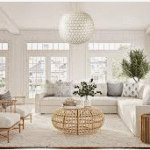
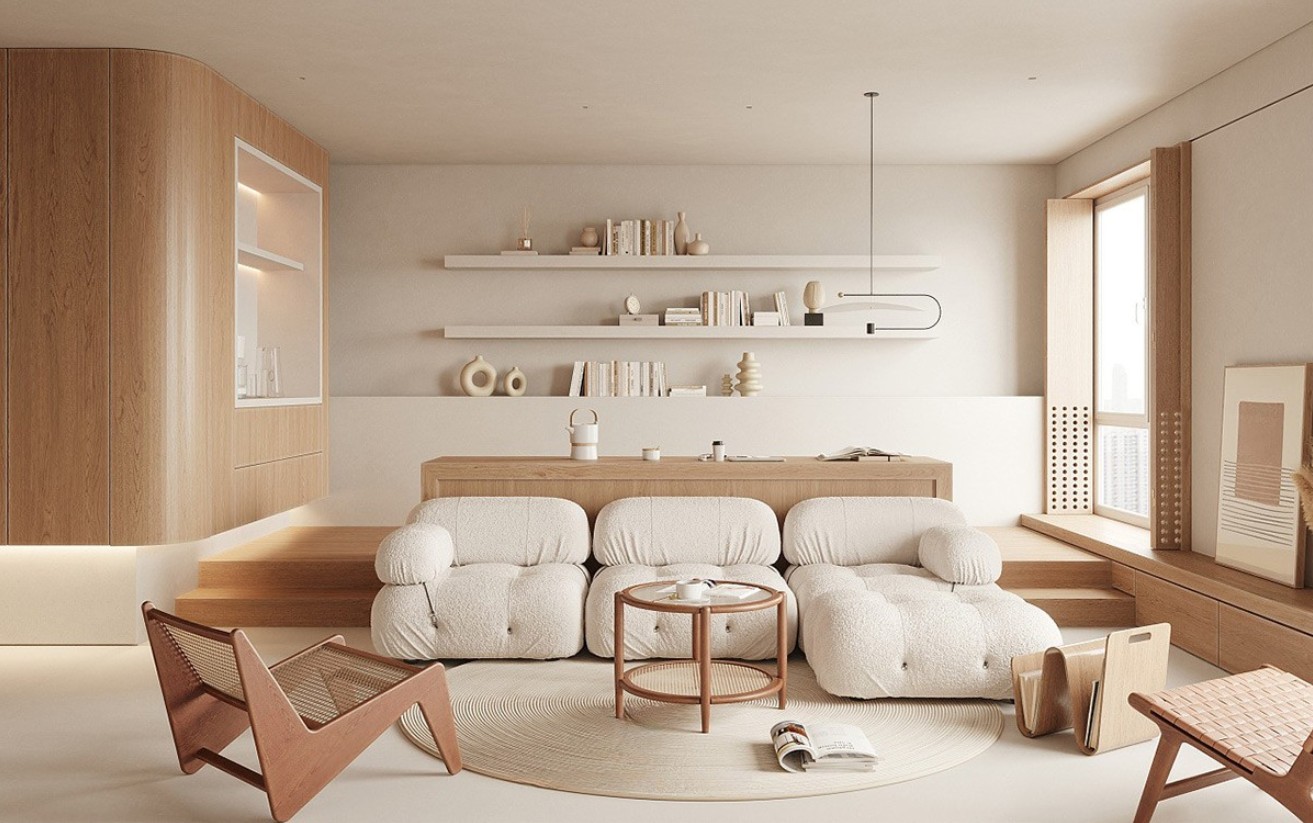
Organic modernism continues to dominate interiors as homeowners increasingly want natural, calming environments. This trend blends minimalist silhouettes with earthy textures, sustainable materials, and warm color palettes. The style has evolved beyond the neutral-heavy look of previous years and now includes richer tones and more diverse materials.
Nature-Inspired Colors and Textures
Earthy hues such as terracotta, sandstone, olive, caramel, and deep clay have become essential, aligning with larger lifestyle and fashion movements. Just as curvy fashion trends emphasize comfort, warmth, and softness, interior colors now evoke emotional grounding and tactile reassurance. Textures like linen, wool boucle, honed stone, and hand-brushed wood enhance the sense of organic authenticity.
Light-colored woods remain popular, but darker walnut tones are making a comeback, adding depth and sophistication to the organic-modern palette. The growing consumer focus on sustainability, confirmed by Home Depot customer behavior trends, shows increasing demand for renewable materials and responsibly sourced woods. As homeowners adopt new interior design trends that involve updating or replacing statement furniture, working with a reliable California Furniture Shipping Company can help ensure larger pieces are delivered safely and integrated seamlessly into the redesigned space.
Biophilic Design as a 2025 Essential
Biophilic design will continue to shape interior spaces through expansive windows, indoor trees, and materials that mimic natural forms. Homeowners are bringing nature indoors not just with plants but with sculptural lighting inspired by botanicals, wavy marble veining, moss-textured tiles, and biomorphic furniture silhouettes.
Wellness-driven design features such as circadian lighting, air-purifying plants, and aromatherapy systems are becoming mainstream. This mirrors broader lifestyle shifts seen in fashion and beauty, such as 2025 hair trends focusing on natural textures and the continued rise of clean beauty aesthetics.
Maximalism Returns: Colorful, Creative, and Personal
After years of minimalism dominating interiors, bold expression is returning. Color, pattern, and vintage references are increasingly embraced, reflecting the same creativity found in top fashion trends 2025 where individuality and artistic styling redefine mainstream aesthetics.
Statement Walls and Pattern Play
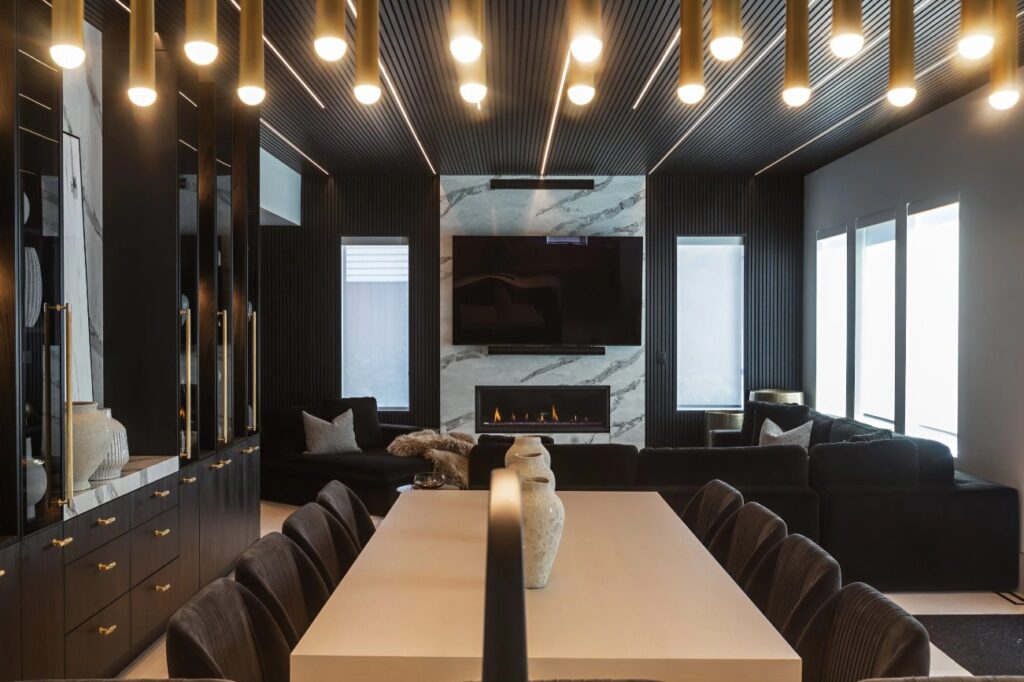
While plain walls held strong for a decade, homeowners are rediscovering the power of decorative surfaces. Murals, hand-painted details, patterned wallpapers, and textural plaster finishes are elevating interior storytelling. Dramatic marble walls, moody monochrome palettes, and metallic finishes offer depth and personality.
This design direction overlaps with nail trends 2024, where intricate patterns, 3D accents, and color layering gained popularity—demonstrating society’s renewed appetite for artistic design across industries.
Vintage Revival and Curated Eclecticism
Secondhand shopping, estate sales, and artisan sourcing are booming, encouraging homeowners to mix eras and curate meaningful interiors. Antique wood buffets, vintage sofa silhouettes, glass pendants, and mid-century accents pair effortlessly with modern technology and contemporary art.
The revival of vintage aligns with sustainability goals and the shift toward more eco-conscious consumer behavior. It also reflects the revivalist movement present in 2025 fashion trends, where retro silhouettes, archival brand releases, and classic tailoring are returning.
Sustainable Design and Eco-Conscious Materials
Sustainability is no longer a niche interest—it is a mainstream requirement. Extensive consumer research, including Home Depot customer behavior trends, indicates a rising preference for energy-efficient appliances, low-VOC paints, eco-friendly flooring, and durable materials intended to last decades.
Recycled, Upcycled, and Low-Impact Materials
Materials like recycled glass backsplashes, reclaimed wood shelving, biodegradable wallpapers, and eco-friendly terrazzo are gaining traction. Bamboo and cork remain favorites due to their regenerative properties, while innovative sustainable materials such as mushroom mycelium tiles and recycled composite stone are entering luxury markets.
Designers are prioritizing durability and longevity over disposable decor, echoing fashion’s shift toward long-lasting wardrobe staples and circular fashion practices.
Energy Efficiency and Smart-Home Technology
Smart thermostats, solar integration, and energy-efficient lighting aren’t just conveniences—they are essential components of sustainable interior design. Homeowners now look for automation that reduces energy consumption while enhancing comfort. Smart glass, air-purifying paint, and water-saving fixtures reflect a technological evolution similar to the wearable tech influences seen in fashion.
Soft Curves and Sculptural Silhouettes
Curved furniture continues to dominate 2025 interiors, mirroring the fluid silhouettes celebrated in curvy fashion trends and the softer aesthetics trending across beauty and fashion. Rounded edges feel more organic, approachable, and harmonious in modern homes.
Rounded Sofas, Archways, and Sculptural Seating
Arched doorways, rounded kitchen islands, curved headboards, and free-form chaise lounges add visual flow to interior spaces. These shapes create gentle movement, break rigid architectural lines, and make rooms feel more welcoming.
Sculptural chairs, wavy shelving, and circular rugs reinforce this aesthetic. Inspired by biomorphic forms in nature, these pieces are functional works of art that elevate any space.
Oversized and Plush Furniture as a Comfort-First Trend
Inspired by fashion’s emphasis on cozy silhouettes and the popularity of oversized garments in 2025 fashion trends, furniture is becoming larger, softer, and more enveloping. Deep sofas, puffy armchairs, and thick cushions invite relaxation and sensory comfort, addressing the modern desire for restorative spaces.
Also Read: Technology Trends Outlook The Future of Innovation and Growth
The Evolution of Kitchen and Bathroom Design
Kitchens and bathrooms remain the most renovated rooms, heavily influenced by luxury hotel aesthetics, wellness priorities, and practical innovations.
The Warm Luxury Kitchen
Cold, clinical kitchens are fading. Instead, 2025 kitchens blend luxury with warmth. Natural stone slabs featuring dramatic veining—especially marble, travertine, and quartzite—are replacing polished granite. Soft matte finishes, handleless cabinetry, and integrated appliances create a streamlined yet inviting look.
Warm metals like champagne bronze, brushed brass, and copper are returning, complementing earthy palettes. Large islands double as dining areas, reflecting lifestyle shifts toward at-home entertaining and communal cooking.
Spa-Like Bathrooms with Wellness Features
Bathrooms now feel like personal retreats. Steam showers, deep soaking tubs, heated flooring, aromatherapy diffusers, smart mirrors, and touchless fixtures enhance the spa-like ambiance. Natural materials such as river stone tiles, teak benches, and stucco walls enhance the wellness theme.
Large-format tiles and microcement walls create seamless surfaces that feel calm and modern. Lighting is another major evolution, with layered illumination designed to support morning energy and evening relaxation.
Smart Homes and High-Tech Interiors
Technology is seamlessly weaving into interior spaces, shaping modern aesthetics and functionality.
Invisible Tech and Integrated Systems
As tech design becomes more refined, homeowners want devices that blend into the background. Built-in speakers, hidden projectors, concealed kitchen appliances, and flush-mounted fixtures allow spaces to feel clean and uncluttered.
AI-powered home systems—lighting, security, climate control, and appliance management—enable greater convenience and energy savings. This shift parallels innovation-focused trends in fashion and beauty, where tech-enhanced tools are reshaping consumer experiences.
Adaptive, Multi-Functional Room Design
With remote work and hybrid living as ongoing norms, flexible rooms are essential. Furniture that transforms, such as foldaway desks, sliding walls, modular sofa systems, and Murphy beds, allows homes to adapt to daily needs. This reflects lifestyle patterns documented in Home Depot customer behavior trends, where multifunctional furniture sales continue to rise.
Bold Color Trends of 2025
Color cycles draw from global culture, psychology, and design influences across industries. The color trends of 2025 signal optimism, grounding, and expressive individuality.
Deep Earth Tones and Warm Neutrals
Burnt sienna, cocoa brown, mineral green, cinnamon, ochre, and fig purple are emerging as favorites. These hues echo the grounded, nature-inspired direction seen across fashion and interior design.
Jewel Tones and Artistic Accents
Emerald, cobalt, ruby, and amethyst appear in accent walls, velvet upholstery, and statement decor pieces. Jewel tones align with the maximalist movement and add drama and sophistication to interiors.
Soft Pastels and Muted Shades
Powder blue, dusty lavender, and blush peach remain popular for bedrooms and bathrooms thanks to their calming qualities, paralleling soft palettes trending in nail trends 2024 and beauty aesthetics.
Textiles, Finishes, and Material Trends
Material selection is integral to defining a space’s mood, and 2025 introduces tactile, sensory-rich design elements.
Layered Fabrics and Textural Interest
Bouclé, mohair, brushed wool, chunky knits, and textured linen are widely used in upholstery and bedding. These soft, sensory textiles create dimensional comfort, appealing to homeowners seeking coziness and luxury.
Stone, Metal, and Wood Combinations
Mixed materials are trending, such as stone paired with fluted wood or metal accents in bronze and burnished nickel. Imperfect finishes like hand-glazed tiles and matte stone add authenticity and artisanal charm.
Also Read: Fútbol Para Todos: Watch Free Live Football in 2025
How Fashion and Beauty Trends Shape Interior Design

Fashion has always influenced interior design, and the trends of 2024 and 2025 create notable parallels.
Fashion-Driven Interiors Reflecting Cultural Aesthetics
The expressive designs seen in top fashion trends 2025—such as bold colors, sculptural silhouettes, and vintage revival—manifest in home decor through statement lighting, maximalist patterns, and retro-inspired furniture.
The edgy chrome, metallic textures, and iridescent finishes appearing in 2025 hair trends and beauty products echo interior finishes such as pearlescent tiles, reflective metals, and futuristic lighting.
Curve-Celebrating Styles Influencing Furniture
Just as curvy fashion trends celebrate body-positive silhouettes, home furnishings in 2025 embrace fluid shapes that create harmony and movement in interior design.
The Growing Influence of Retail and Consumer Behavior
Market behavior plays a significant role in shaping interior design movements. Insights into Home Depot customer behavior trends offer a snapshot of what homeowners value in their living spaces.
Consumers are increasingly purchasing DIY-friendly products, sustainable materials, and smart-home technology. There is a rising demand for timeless finishes rather than fast-decor trends. This consumer shift further encourages designers to emphasize durability, high-quality craftsmanship, and long-term value.
Conclusion
Interior design trends for 2025 reflect a society seeking balance: nature and technology, comfort and style, nostalgia and innovation. Organic materials, sculptural furniture, warm luxury, and expressive color palettes dominate modern homes, while sustainability and wellness continue to guide purchasing decisions. Through cross-industry influences—from fashion to beauty to retail behavior—interior spaces are evolving into personal sanctuaries that honor individuality and intentional living.
Whether you embrace maximalism, minimalist organic styles, or tech-integrated functionality, the guiding theme of 2025 interiors is authenticity. The best design choices prioritize the homeowner’s lifestyle, values, and emotional connection to each space.
FAQs
What interior design trend will be biggest in 2025?
Organic modernism, warm luxury aesthetics, and sustainable materials are projected to dominate 2025 interior design.
How are fashion trends influencing home decor?
Fashion’s bold colors, vintage influences, and curvy silhouettes are reflected in the return of maximalism, rounded furniture, and expressive palettes.
Is minimalism still relevant?
Yes, but it has evolved into a warmer, more textured version that prioritizes comfort and natural materials.
Which materials are popular in 2025 home design?
Reclaimed wood, natural stone, textured fabrics, recycled materials, and warm metals lead the trends.



Post Comment