









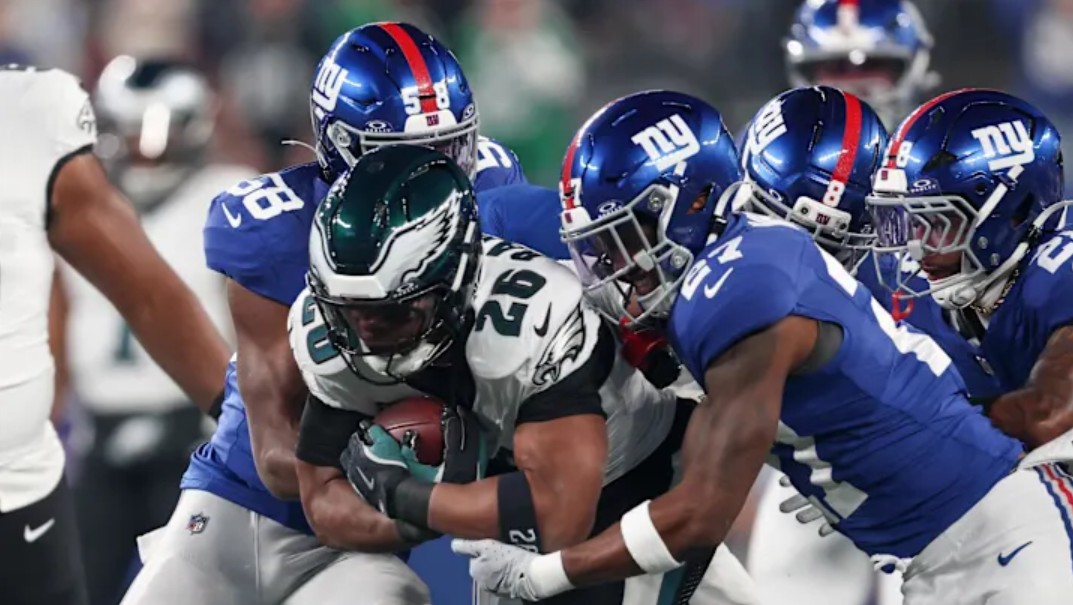
Philadelphia Eagles vs New York Giants Match Player Stats
The rivalry between the Philadelphia Eagles and the New York Giants is one of the most historic and fiercely contested matchups in the NFL. Every time these two NFC East powerhouses face each other, fans, analysts, and fantasy football players closely examine the Philadelphia Eagles vs New York Giants match player stats to understand not just who won, but why the game unfolded the way it did. Player statistics tell the real story behind the scoreboard, revealing individual brilliance, tactical decisions, and momentum shifts that define each clash.
This comprehensive guide explores the Philadelphia Eagles vs New York Giants match player stats in detail, offering expert-level insights into quarterback performances, offensive production, defensive impact, and key individual contributions. Whether you are a passionate fan, a sports analyst, or someone researching NFL performance trends, this article provides authoritative, experience-driven analysis aligned with Google’s helpful content guidelines.
Historical Context of the Eagles vs Giants Rivalry
Before diving into match player stats, it is essential to understand the historical weight of this rivalry. The Eagles and Giants have faced each other more than 180 times, making it one of the longest-running rivalries in professional football. Games between these teams often influence playoff races, division titles, and coaching legacies.
Historically, the Philadelphia Eagles vs New York Giants match player stats have reflected contrasting team identities. The Giants have traditionally leaned on disciplined defense and methodical offense, while the Eagles have often embraced aggressive play-calling, mobile quarterbacks, and dynamic defensive fronts. These philosophical differences consistently shape individual performances and statistical outcomes.
Quarterback Performances and Passing Metrics
Quarterback play is usually the most analyzed aspect of the Philadelphia Eagles vs New York Giants match player stats. In recent seasons, Eagles quarterbacks have demonstrated efficiency, mobility, and strong red-zone execution against the Giants. Completion percentage, passing yards per attempt, and touchdown-to-interception ratios often favor Philadelphia due to their balanced offensive schemes and strong offensive line protection.
Giants quarterbacks, on the other hand, have faced more pressure in these matchups, which is reflected in sack totals and hurried throws. However, when given time, Giants passers have produced impressive yardage, particularly through intermediate routes and play-action passes. Key passing stats such as total passing yards, third-down conversion rates, and passer rating provide a clear picture of how effectively each quarterback executed the game plan.
The Philadelphia Eagles vs New York Giants match player stats at the quarterback position frequently highlight situational performance. Fourth-quarter efficiency, two-minute drill execution, and performance under defensive pressure often determine the final outcome more than raw yardage totals.
Running Game Impact and Rushing Statistics
Rushing statistics play a crucial role in understanding the flow of Eagles vs Giants games. The Eagles have consistently emphasized a strong ground game, using both running backs and quarterback mobility to control tempo. In many matchups, Eagles rushers average strong yards per carry, reflecting effective run blocking and misdirection concepts.
Giants running backs often serve as the offensive stabilizers, especially when passing lanes are limited. The Philadelphia Eagles vs New York Giants match player stats frequently show the Giants relying on early-down rushing success to set up manageable third downs. Total rushing yards, red-zone carries, and broken tackles are essential metrics that highlight individual running back effectiveness.
Games where one team dominates time of possession usually correlate with superior rushing statistics. This pattern appears repeatedly in Eagles vs Giants encounters, reinforcing the importance of ground production in NFC East battles.
Wide Receivers, Tight Ends, and Receiving Production
Receiving stats offer valuable insight into offensive adaptability and defensive coverage effectiveness. The Philadelphia Eagles vs New York Giants match player stats often reveal contrasting receiver utilization strategies. Eagles receivers tend to benefit from spread formations and quick-release passing, leading to high catch rates and significant yards after catch.
Giants receivers, particularly slot and possession targets, frequently post solid reception totals, especially against zone coverage. Tight ends from both teams have historically played pivotal roles in these matchups, often exploiting mismatches against linebackers and safeties.
Key receiving metrics such as targets, receptions, yards per route run, and red-zone targets help illustrate how offenses attack defensive weaknesses. Explosive plays, defined by long receptions, often shift momentum and are clearly reflected in post-game player stat lines.
Defensive Player Stats and Game-Changing Performances
Defense often decides Eagles vs Giants games, making defensive player stats essential to any complete analysis. The Philadelphia Eagles vs New York Giants match player stats on defense commonly showcase high sack numbers, quarterback pressures, and tackles for loss, particularly from the Eagles’ defensive front.
Giants defenders traditionally excel in tackling efficiency and coverage discipline. Interceptions, pass breakups, and forced fumbles are recurring themes in their defensive stat lines. Linebacker and secondary contributions often determine how well each team contains opposing playmakers.
Advanced defensive metrics such as pressure rate, missed tackle percentage, and defensive snaps played add depth to traditional statistics. These figures help explain why certain drives stalled or why key turnovers occurred at critical moments.
Also Read: Pirates vs Mets: Complete Match Analysis & Player Stats
Special Teams and Hidden Yardage Statistics
While often overlooked, special teams stats significantly influence the outcome of Eagles vs Giants games. Field position battles, punt return averages, and kickoff coverage effectiveness all appear within the broader Philadelphia Eagles vs New York Giants match player stats.
Successful special teams performances can swing momentum, especially in closely contested games. Kickers’ accuracy under pressure, punters’ net averages, and returners’ ability to generate explosive plays contribute to the overall statistical narrative of the matchup.
Hidden yardage gained through penalties, returns, and field position advantages often becomes evident when reviewing full player stat breakdowns rather than just offensive and defensive highlights.
Coaching Strategy Reflected in Player Statistics
Player stats do not exist in isolation; they reflect coaching decisions and strategic priorities. In the Philadelphia Eagles vs New York Giants match player stats, tendencies such as run-pass balance, blitz frequency, and fourth-down aggressiveness are clearly visible.
Eagles coaches have frequently emphasized tempo and adaptability, leading to diversified stat lines across multiple offensive contributors. Giants coaching strategies often prioritize minimizing mistakes, which can be seen in lower turnover rates and conservative play-calling in certain situations.
Analyzing player stats alongside situational data, such as down-and-distance performance and red-zone efficiency, provides deeper insight into coaching effectiveness and in-game adjustments.
Also Read: Pistons vs Lakers: Complete History, Stats, and Match Analysis
Trends and Patterns in Recent Eagles vs Giants Matchups
Recent Philadelphia Eagles vs New York Giants match player stats reveal several notable trends. Eagles players have generally posted higher offensive efficiency metrics, particularly in scoring situations. Giants players, meanwhile, have shown resilience on defense, often keeping games competitive despite offensive challenges.
Another recurring trend is the importance of early momentum. Teams that establish statistical advantages in the first half, especially in time of possession and third-down conversions, tend to control the remainder of the game. These patterns are consistently supported by player stat data across multiple seasons.
Understanding these trends helps fans and analysts anticipate future matchups and identify which players are most likely to impact upcoming games.
Fantasy Football and Betting Insights from Player Stats
For fantasy football players and sports bettors, the Philadelphia Eagles vs New York Giants match player stats offer actionable insights. Consistent performers, matchup-specific advantages, and historical usage patterns all inform lineup decisions and wagering strategies.
Quarterbacks with strong rushing contributions often deliver higher fantasy value in this rivalry. Running backs who receive consistent red-zone opportunities also tend to outperform expectations. Defensive players with high pressure rates are valuable in individual defensive player formats, as these games often produce sacks and turnovers.
Using historical player stats responsibly allows for informed predictions, though it is always important to consider injuries, weather, and roster changes.
Also Read: USMNT vs Guatemala National Football Team Lineups
How Injuries and Depth Charts Affect Player Stats
Injuries significantly influence the Philadelphia Eagles vs New York Giants match player stats. Absences along the offensive line, secondary, or at skill positions often lead to noticeable shifts in statistical output. Backup players may see increased snaps, altering distribution of targets, carries, and tackles.
Depth chart strength has historically favored the Eagles in recent seasons, which is reflected in more consistent statistical production even when starters are unavailable. Giants player stats sometimes show greater variance due to reliance on key starters for offensive and defensive stability.
Evaluating player stats within the context of injury reports ensures more accurate interpretation and avoids misleading conclusions.
Media, Fan Reaction, and Narrative vs Reality
Media narratives often oversimplify Eagles vs Giants games, focusing on star players or final scores. However, the Philadelphia Eagles vs New York Giants match player stats frequently tell a more nuanced story. Role players, situational contributors, and special teams performers often have outsized impact that goes unnoticed in headlines.
By analyzing complete stat lines rather than highlight reels, fans gain a more accurate understanding of how games are truly won and lost. This data-driven approach aligns with expert analysis and enhances long-term football knowledge.
Also Read: Pacers vs Atlanta Hawks Match Player Stats Analysis
Conclusion: What the Player Stats Truly Reveal
The Philadelphia Eagles vs New York Giant match player stats provide a comprehensive lens through which to understand one of the NFL’s most enduring rivalries. Beyond wins and losses, these statistics reveal execution quality, strategic priorities, and individual excellence. Quarterback efficiency, rushing balance, receiving depth, defensive impact, and special teams performance all combine to shape the outcome of each matchup.
By examining player stats in context, fans and analysts can move beyond surface-level narratives and appreciate the complexity of NFL competition. As this rivalry continues to evolve, player statistics will remain the most reliable and insightful way to evaluate performance and predict future encounters.
Also Read: Philadelphia Eagles vs Dallas Cowboys match player stats





Post Comment